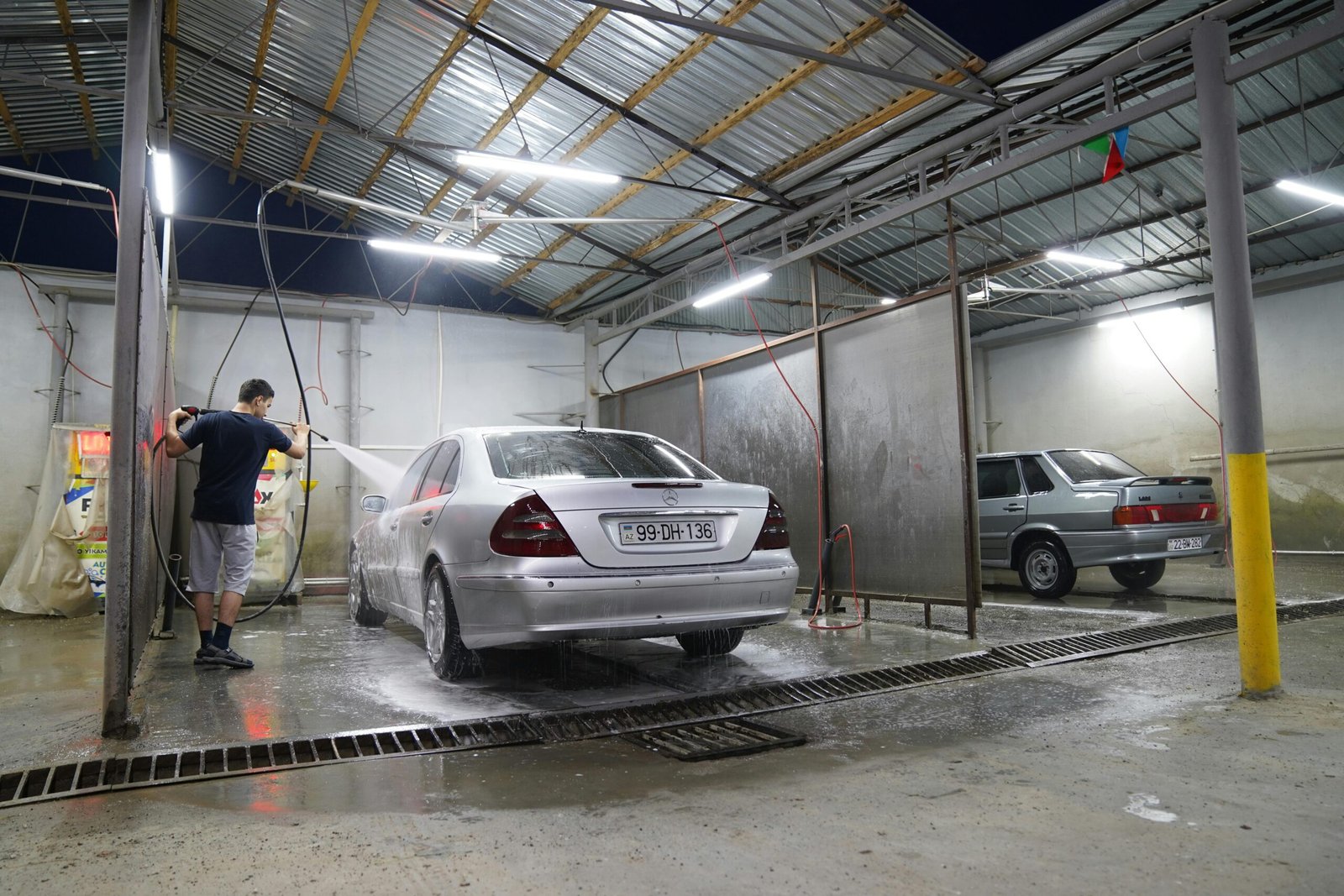
Hydrojet drain cleaning is a highly effective, modern solution for maintaining clean and free-flowing drains in both residential and commercial properties. Unlike traditional snaking or chemical-based cleaning methods, hydrojetting uses a high-pressure stream of water to remove blockages, grease buildup, mineral deposits, and other debris from your pipes. This method is not only environmentally friendly but also highly efficient, providing a thorough cleaning that can prevent future clogs and extend the lifespan of your plumbing system. In this comprehensive guide, we will explore how hydrojet drain cleaning works, the benefits it offers, its costs, comparisons with traditional methods, and best practices for maintenance, ensuring that property owners have all the information needed to make informed decisions about their plumbing care.
What Is Hydrojet Drain Cleaning?
Hydrojet drain cleaning is a plumbing technique that involves the use of specialized equipment to project a high-pressure stream of water into drain pipes. This process effectively clears out clogs, grease, scale, and other debris that accumulate over time. Unlike snaking, which mechanically pushes through the obstruction, hydrojetting washes the pipe walls, ensuring a deeper and more thorough clean.
Key Features:
- High-pressure water jet (up to 4,000 PSI or more)
- Removes stubborn blockages and grease buildup
- Safe for most types of pipes when performed by professionals
- Eco-friendly, avoiding the need for harsh chemical cleaners
The method has gained popularity among homeowners and commercial property managers due to its reliability and long-lasting results.
Benefits of Hydrojet Drain Cleaning
The advantages of hydrojet drain cleaning go far beyond unclogging a single drain. Here are the main benefits:
1. Comprehensive Cleaning
Hydrojetting cleans not just the obstruction but the entire interior surface of the pipe, removing buildup that can lead to future clogs. This preventive aspect reduces maintenance frequency and plumbing emergencies.
2. Eco-Friendly Solution
Unlike chemical cleaners that may harm the environment or corrode pipes, hydrojetting uses only water under high pressure, making it an environmentally responsible choice.
3. Versatile and Effective
Hydrojet drain cleaning works on a variety of drains, including sinks, main sewer lines, and industrial plumbing systems. It can remove grease, hair, scale, sediment, and other debris efficiently.
4. Prevents Future Problems
By clearing buildup thoroughly, hydrojetting reduces the likelihood of recurring clogs, minimizes pipe corrosion, and improves water flow throughout the plumbing system.
5. Cost-Effective in the Long Run
Although the initial cost of hydrojetting may be higher than traditional snaking, the long-term benefits—fewer plumbing repairs and extended pipe lifespan—make it a wise investment.
How Hydrojet Drain Cleaning Works
Understanding the hydrojetting process helps homeowners appreciate why it is more effective than traditional methods:
- Inspection: A plumber first uses a drain camera to inspect the pipe, identify blockages, and assess pipe condition.
- Preparation: The plumbing system is prepared, including connecting the hydrojetting hose and ensuring the work area is secure.
- Hydrojetting: High-pressure water is blasted into the pipes, dislodging grease, mineral deposits, and debris. The water stream also scours the interior pipe walls, leaving them clean.
- Final Inspection: After cleaning, the plumber often performs another camera inspection to ensure pipes are thoroughly cleaned and free of obstructions.
This method is precise, highly effective, and reduces the risk of damage when done by trained professionals.
Cost of Hydrojet Drain Cleaning
Pricing for hydrojetting varies based on factors such as pipe size, length, type of blockage, and geographic location. On average:
- Residential hydrojetting: $300–$600 per mainline
- Commercial hydrojetting: $600–$1,200 or more depending on complexity
- Additional costs: Camera inspections or specialized equipment may incur extra fees
While initially more expensive than snaking, the durability and efficiency of hydrojetting often justify the investment.
Maintenance and Best Practices
To maximize the benefits of hydrojet drain cleaning:
- Schedule regular inspections, especially for older pipes
- Avoid pouring grease, oils, and food debris down drains
- Use strainers in sinks and showers to reduce solid debris accumulation
- Consider annual or bi-annual hydrojetting for high-use plumbing systems
Regular maintenance ensures optimal water flow and long-term pipe health.
Conclusion
Hydrojet drain cleaning is a modern, effective, and eco-friendly method for maintaining clean plumbing systems. From thorough cleaning and preventing future clogs to enhancing pipe longevity, hydrojetting provides unmatched advantages over traditional methods. While the upfront cost may be higher, the long-term benefits and preventive nature make it a smart investment for homeowners and commercial property managers alike. For anyone looking to maintain optimal drainage and avoid plumbing emergencies, hydrojet drain cleaning offers the most reliable, efficient, and sustainable solution.
Frequently Asked Questions (FAQ)
1. Is hydrojet drain cleaning safe for all pipes?
Yes, when performed by trained professionals. Certain older or fragile pipes may require assessment before hydrojetting.
2. How often should I hydrojet my drains?
For preventive maintenance, every 1–2 years is recommended, depending on usage and pipe conditions.
3. Can hydrojetting remove all types of blockages?
Hydrojetting effectively removes grease, hair, scale, sediment, and organic debris. Some severe structural issues may require additional repairs.
4. How much does hydrojet drain cleaning cost?
Residential costs typically range from $300–$600, while commercial services may exceed $1,000, depending on complexity.
5. Does hydrojetting use chemicals?
No, hydrojetting uses only high-pressure water, making it environmentally friendly and safe for plumbing systems.
Leave a Reply