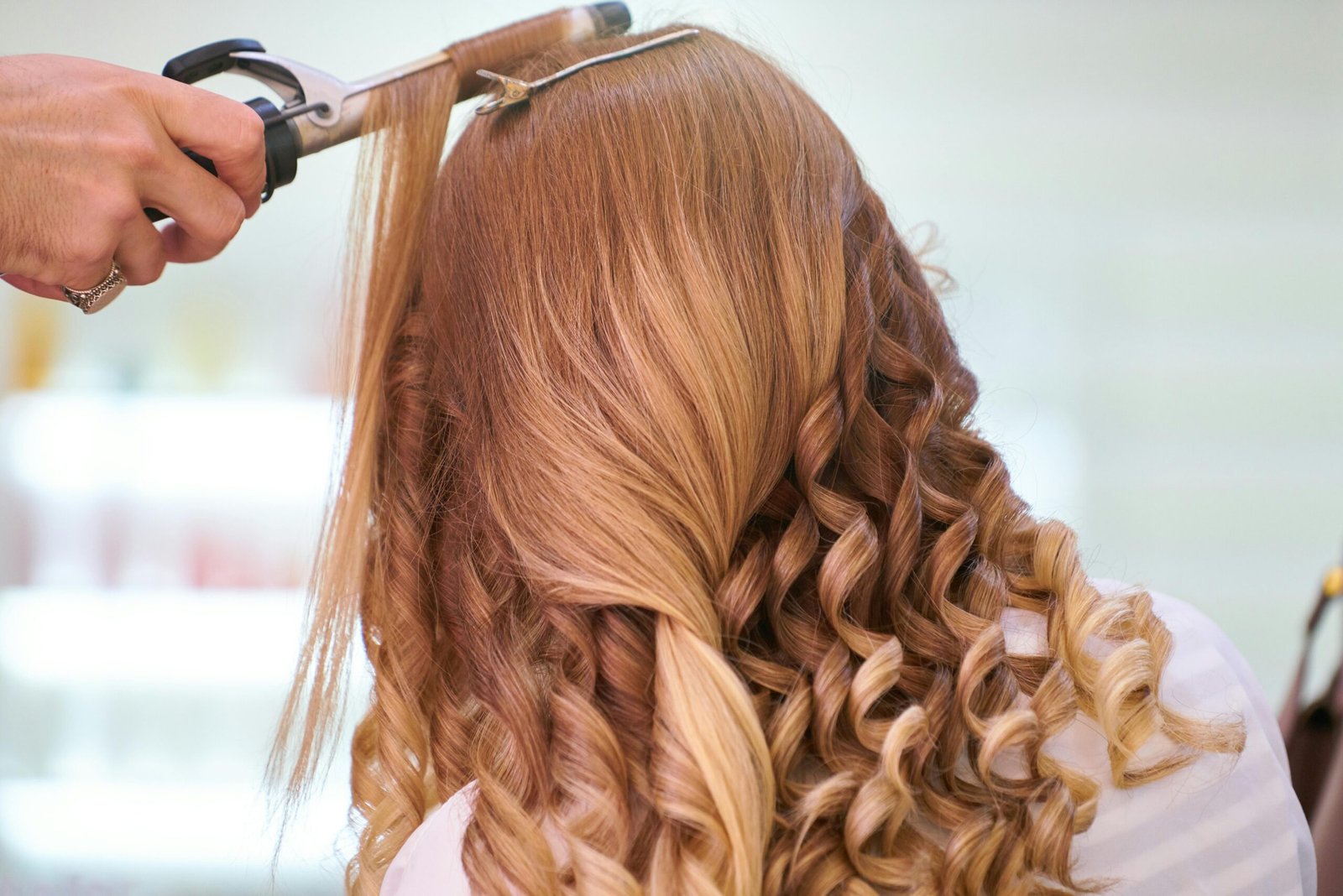
The desire for hair thick hair—hair that looks full, dense, and vibrant—is universal across ages and cultures. Thick hair is often associated with youth, vitality, and beauty, making it one of the most sought-after hair goals. While genetics influence hair density and texture, we understand that achieving thicker-looking hair is possible through consistent care, proper nutrition, effective treatments, and strategic styling. We explore how to strengthen hair strands, stimulate growth, improve scalp health, and create the appearance of volume. By applying proven methods and understanding the science behind hair thickness, we can transform fine or thinning hair into fuller, healthier locks.
Understanding Hair Thickness and Density
Hair thickness refers to the diameter of individual strands, while hair density refers to the number of strands growing on the scalp. When discussing hair thick hair, we consider both factors. Some individuals have fine strands but high density, while others may have thick strands but lower density. Achieving fuller hair requires addressing both strand strength and scalp health.
Hair grows from follicles beneath the scalp. Each follicle produces a strand influenced by genetics, hormones, and environmental conditions. When follicles weaken due to stress, nutritional deficiencies, or improper hair care, strands become thinner and more fragile. Strengthening follicles and improving circulation can help encourage healthier growth patterns over time.
Common Causes of Thin Hair
To effectively promote thick hair, we must first understand what causes thinning. Hormonal imbalances, particularly fluctuations in thyroid hormones or androgens, can reduce hair density. Nutritional deficiencies—especially lack of protein, iron, zinc, and biotin—contribute to weakened strands. Stress is another major factor, as it can push hair follicles into a resting phase prematurely.
Excessive heat styling, chemical treatments, and tight hairstyles damage hair shafts and cause breakage, making hair appear thinner than it actually is. Environmental factors such as pollution and UV exposure also weaken the hair structure. Addressing these root causes is essential for achieving visible improvements in thickness.
Nutrition for Naturally Thick Hair
Healthy hair begins internally. Protein is the primary building block of hair, as strands are composed mainly of keratin. Including lean meats, eggs, legumes, and nuts in our diet supports stronger growth. Iron plays a crucial role in delivering oxygen to hair follicles, and deficiencies can result in shedding. Leafy greens, red meat, and fortified grains help maintain adequate iron levels.
Omega-3 fatty acids nourish the scalp and promote shine. Foods such as salmon, flaxseeds, and walnuts contribute to scalp hydration and reduce inflammation. Vitamins A, C, D, and E, along with biotin and zinc, support follicle health and cellular regeneration. A balanced diet consistently fuels hair from within, encouraging thicker and more resilient strands over time.
Effective Hair Care Routine for Thick Hair Results
A structured hair care routine significantly impacts hair thickness. Gentle cleansing with sulfate-free shampoos prevents stripping natural oils that protect strands. Overwashing can dry the scalp and weaken follicles, so washing two to three times per week is often sufficient for most hair types.
Conditioners rich in proteins and natural oils strengthen hair shafts and reduce breakage. Deep conditioning treatments once a week restore moisture and improve elasticity. Avoiding excessive heat styling preserves strand integrity, and when heat tools are necessary, applying a protective serum minimizes damage.
Scalp care is equally important. Regular scalp massages increase blood circulation, stimulating follicles and encouraging growth. Exfoliating the scalp occasionally removes product buildup and supports a healthy environment for new strands.
Natural Oils and Treatments for Hair Thick Hair
Natural oils have long been used to enhance hair density and strength. Castor oil is known for its high ricinoleic acid content, which promotes circulation and may support thicker growth. Coconut oil penetrates the hair shaft, reducing protein loss and preventing breakage. Rosemary oil has gained popularity for its potential to stimulate follicles and improve thickness when diluted and massaged into the scalp.
Herbal treatments such as aloe vera soothe the scalp and reduce inflammation. Onion juice, though strong in scent, contains sulfur compounds believed to strengthen hair strands. Consistent application of natural treatments can enhance hair texture and contribute to a fuller appearance over time.
Professional Treatments for Thicker Hair
For individuals seeking accelerated results, professional treatments provide additional support. Keratin treatments temporarily smooth and strengthen hair shafts, creating the illusion of thickness. Scalp therapies performed by dermatologists may improve follicle health. In some cases, clinically approved topical treatments stimulate growth and increase density.
Hair volumizing products, including thickening sprays and mousses, offer immediate cosmetic enhancement. These products coat strands to create lift and dimension, making hair appear fuller instantly. Combining professional care with daily maintenance maximizes long-term improvement.
Styling Techniques That Create Volume
Strategic styling significantly enhances the appearance of thick hair. Layered haircuts add movement and dimension, preventing hair from lying flat. Blow-drying with a round brush lifts roots and increases volume. Flipping hair upside down while drying adds natural body.
Using lightweight volumizing products at the roots creates structure without weighing hair down. Avoiding heavy creams or oils on fine hair prevents flatness. Texturizing sprays and dry shampoos add grip and fullness, especially at the crown area. Proper styling techniques can transform even fine strands into visibly thicker hair.
Long-Term Habits for Sustainable Thickness
Consistency is the key to achieving hair thick hair results. Protecting hair while sleeping with silk pillowcases reduces friction and breakage. Avoiding tight hairstyles prevents stress on follicles. Staying hydrated supports overall scalp health. Reducing stress through relaxation techniques helps maintain balanced hair growth cycles.
Regular trims eliminate split ends and maintain shape, preventing breakage from traveling up the shaft. Sustainable hair care habits compound over time, resulting in stronger, denser hair.
Conclusion
Achieving hair thick hair requires a holistic approach that combines nutrition, proper hair care, scalp health, natural treatments, and effective styling. While genetics influence hair characteristics, consistent care and informed strategies significantly improve thickness and volume. By strengthening follicles, preventing breakage, and nourishing the body, we create the optimal conditions for fuller, healthier hair. Through dedication and the right techniques, thicker hair becomes not just a possibility but a visible and lasting transformation.
Frequently Asked Questions (FAQ)
Can thin hair become thick naturally?
Yes, improving nutrition, scalp health, and hair care practices can enhance strand strength and create a thicker appearance over time.
How long does it take to see thicker hair results?
Visible improvements typically appear within three to six months of consistent care and proper nutrition.
Do hair oils really make hair thicker?
Natural oils strengthen strands and improve scalp circulation, contributing to healthier and fuller-looking hair.
Is cutting hair frequently helpful for thickness?
Regular trims prevent split ends and breakage, helping hair maintain a fuller and healthier appearance.
What vitamin deficiency causes thin hair?
Iron, biotin, vitamin D, and zinc deficiencies are commonly associated with thinning hair.




Leave a Reply