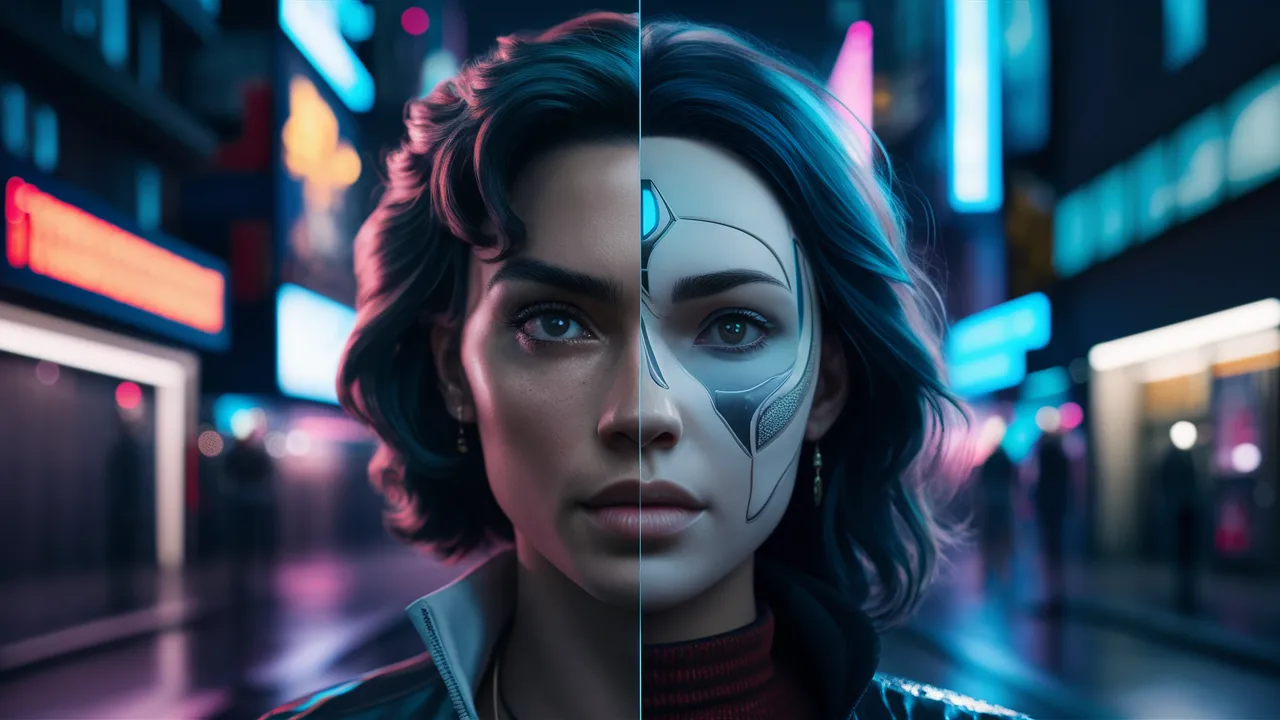
Artificial intelligence has rapidly transformed the way digital media is created, edited, and consumed. Among the most talked-about innovations is AI-powered face swapping, a technology that allows one face to be seamlessly replaced with another in images or videos. FaceFusion has emerged as a powerful and flexible tool in this space, offering advanced face replacement capabilities using modern deep learning techniques. Whether used for creative projects, video editing, research, or experimentation, FaceFusion demonstrates how far AI-driven visual processing has evolved. This article explores FaceFusion in depth, including how it works, its features, use cases, ethical considerations, and why it has gained attention in the AI and content creation communities.
What Is FaceFusion?
FaceFusion is an AI-based face swapping and face replacement tool that leverages deep learning models to merge facial features from one source onto another target image or video. It is designed to provide high-quality results while maintaining realistic facial expressions, lighting, and alignment. FaceFusion is often used in offline environments and is popular among users who want control over processing without relying on cloud-based services. Its open and modular design makes it appealing to developers, researchers, and advanced users who want to experiment with AI face manipulation technology.
How FaceFusion Works
At its core, FaceFusion works by detecting facial landmarks, extracting facial features, and then mapping those features onto a target face using neural networks. The process involves face detection, alignment, blending, and post-processing to ensure natural results. Advanced models analyze skin tone, shadows, and expressions so the swapped face blends smoothly into the original image or video. This multi-stage approach allows FaceFusion to produce convincing outputs even in complex scenarios such as moving faces or varying lighting conditions.
Key Features of FaceFusion
One of the reasons FaceFusion stands out is its rich feature set. It supports both image and video face swapping, offering flexibility for different creative needs. The tool allows batch processing, which is useful for large projects or datasets. FaceFusion also supports GPU acceleration, significantly improving processing speed on compatible hardware. Additionally, users can fine-tune settings to balance performance and output quality, making it suitable for both experimentation and production-level work.
FaceFusion Use Cases
FaceFusion has a wide range of applications across different industries and user groups. Content creators use it to produce creative videos, visual effects, and entertainment content. Researchers and developers use FaceFusion to study computer vision, facial recognition, and AI model performance. In education, it can be used to demonstrate how deep learning models process visual data. While FaceFusion can also be used for parody and artistic expression, responsible usage is critical due to the powerful nature of face manipulation technology.
FaceFusion for Content Creators
For digital creators, FaceFusion offers a new level of creative freedom. It allows creators to experiment with character transformations, storytelling, and visual effects without expensive equipment or studios. By automating complex face replacement tasks, FaceFusion reduces editing time and opens up new creative possibilities. Many creators use FaceFusion as part of a larger video editing workflow, combining it with traditional editing software for polished final results.
Performance and System Requirements
FaceFusion is designed to be efficient, but performance depends heavily on system hardware. A modern GPU significantly improves processing speed, especially for high-resolution videos. CPUs can handle basic tasks, but complex projects benefit from dedicated graphics hardware. Memory availability also plays a role, particularly when processing long videos or multiple files. Understanding system requirements helps users achieve optimal results and avoid performance bottlenecks.
FaceFusion vs Other Face Swap Tools
When comparing FaceFusion with other face swap tools, several differences become clear. Many online tools prioritize simplicity but limit customization and output quality. FaceFusion, on the other hand, focuses on flexibility, control, and offline processing. While it may require more technical knowledge, it rewards users with higher-quality results and greater transparency. This makes FaceFusion particularly attractive to advanced users who value precision and customization.
Ethical Considerations and Responsible Use
The power of FaceFusion also raises ethical concerns. AI face swapping can be misused to create misleading or harmful content if used irresponsibly. It is essential to obtain consent when using someone’s likeness and to follow legal and ethical guidelines. Many communities emphasize using FaceFusion for educational, creative, or experimental purposes rather than deception. Responsible use ensures that this technology contributes positively to innovation and creativity.
Security and Privacy Aspects
Because FaceFusion often runs locally, it offers better privacy control compared to cloud-based services. Users retain ownership of their data and do not need to upload sensitive images or videos to third-party servers. This local processing approach is appealing to professionals and researchers who prioritize data security and confidentiality.
The Future of FaceFusion and AI Face Technology
As AI models continue to improve, FaceFusion is likely to evolve with better realism, faster processing, and improved user interfaces. Future developments may include enhanced expression transfer, higher resolution output, and easier configuration for non-technical users. The ongoing advancement of AI face technology suggests that tools like FaceFusion will play an increasingly important role in digital media creation and research.
Conclusion
In conclusion, FaceFusion is a powerful and versatile AI face swap tool that showcases the potential of modern deep learning technology. Its advanced features, offline processing, and high-quality results make it a strong choice for content creators, developers, and researchers. While it requires responsible use due to ethical considerations, FaceFusion represents a significant step forward in AI-driven visual manipulation. As technology continues to advance, FaceFusion is well positioned to remain a key tool in the evolving landscape of artificial intelligence and digital creativity.
Frequently Asked Questions (FAQ)
Q1: What is FaceFusion used for?
FaceFusion is used for AI-based face swapping and face replacement in images and videos.
Q2: Is FaceFusion free to use?
FaceFusion is generally available as an open or community-driven tool, depending on distribution.
Q3: Does FaceFusion require a GPU?
A GPU is not mandatory, but it significantly improves performance and processing speed.
Q4: Is FaceFusion safe and private?
Yes, especially when used offline, as data remains on the user’s system.
Q5: Is using FaceFusion legal?
It depends on usage; consent and ethical guidelines should always be followed.





Leave a Reply