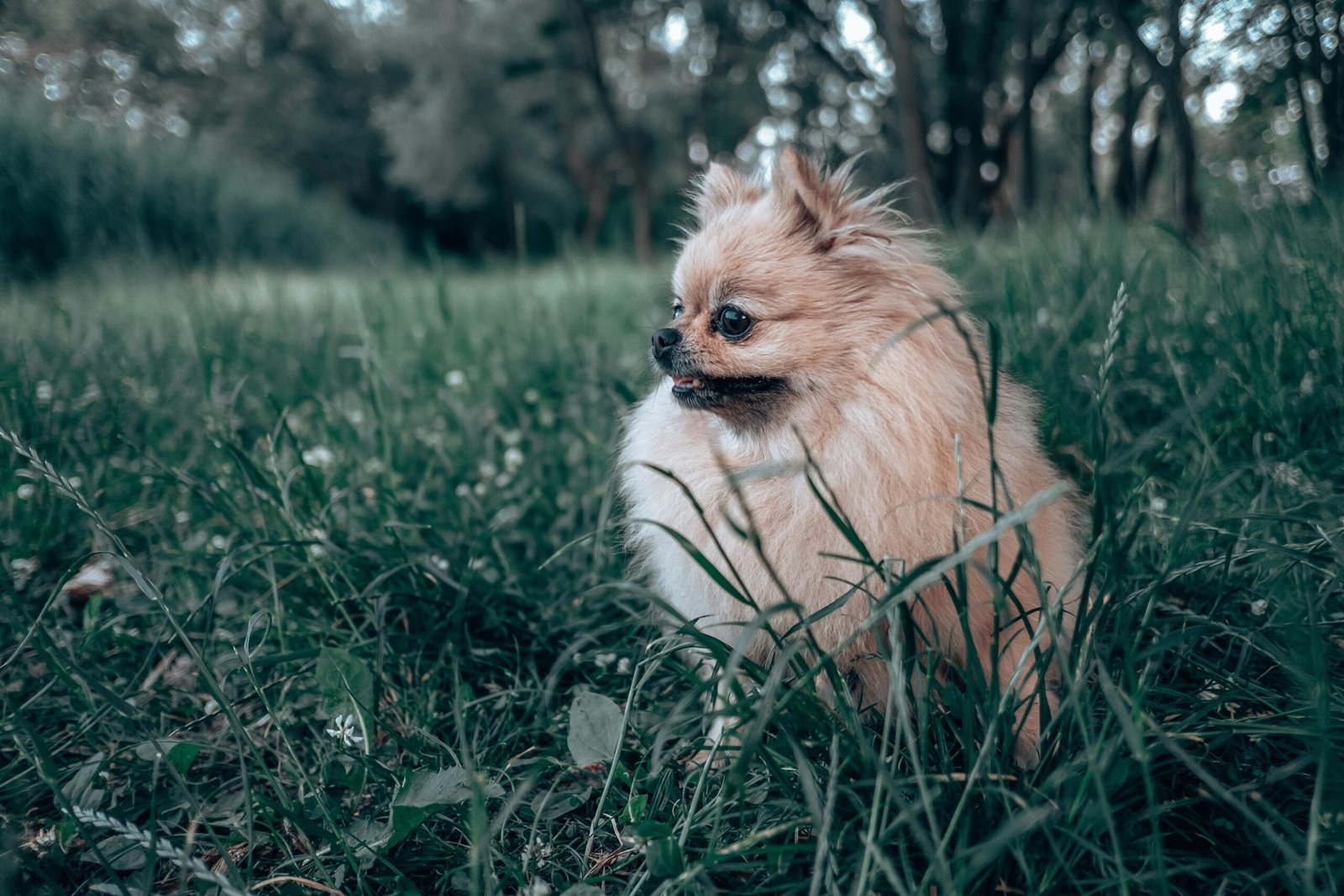
Pomeranians are among the most beloved small dog breeds worldwide, known for their adorable appearance, fluffy coats, and lively personality. At Pomerusky, we provide comprehensive insights into Pomeranian dogs, offering detailed information on care, grooming, health, training, and breeding. This guide is tailored to help both new and experienced dog owners understand everything they need to know about raising happy and healthy Pomeranians, ensuring their pets thrive in a loving environment.
Why Pomeranians Are So Popular
Pomeranians, often affectionately called “Poms”, are a favorite among dog lovers due to their compact size, intelligence, and expressive personalities. Their small stature makes them ideal for apartment living, while their playful and affectionate nature makes them perfect companions for families, singles, and seniors alike.
Pomeranians are also highly adaptable and trainable, making them suitable for both first-time dog owners and experienced handlers. Their vocal and alert nature makes them excellent watchdogs, alerting their owners to visitors or unusual activity. The combination of beauty, intelligence, and personality ensures that Pomeranians continue to maintain a strong presence in the hearts of dog enthusiasts worldwide.
Pomeranian Grooming and Coat Care
One of the most distinctive features of Pomeranians is their luxurious double coat, which requires consistent grooming to maintain its health and appearance. At Pomerusky, we recommend the following grooming practices:
-
Brushing: Daily brushing helps prevent mats and tangles while distributing natural oils to keep the coat shiny.
-
Bathing: Regular baths using dog-safe shampoos help maintain cleanliness and a healthy skin environment.
-
Trimming: Occasional trimming, particularly around the paws, ears, and sanitary areas, ensures comfort and hygiene.
-
Seasonal Shedding Management: Pomeranians shed more heavily during seasonal changes. Using proper grooming tools and brushing techniques minimizes loose hair and keeps your home clean.
Proper grooming not only enhances the Pomeranian’s appearance but also contributes to overall health and well-being. Neglecting coat care can lead to skin irritations, matting, and discomfort.
Pomeranian Health and Wellness Tips
Maintaining a Pomeranian’s health requires attention to diet, exercise, and routine veterinary care. These dogs, while generally robust, are prone to certain health conditions, such as patellar luxation, tracheal collapse, dental issues, and heart problems.
To ensure optimal health, Pomerusky recommends:
-
Balanced Diet: High-quality dog food rich in protein, vitamins, and minerals supports energy levels and coat health.
-
Regular Exercise: Short walks, playtime, and mental stimulation prevent obesity and behavioral issues.
-
Dental Care: Regular brushing and dental chews reduce the risk of oral diseases.
-
Vaccinations and Vet Visits: Routine vaccinations, check-ups, and parasite control are crucial for long-term health.
By adhering to these wellness practices, owners can enjoy years of companionship with a happy and healthy Pomeranian.
Training and Socialization for Pomeranians
Despite their small size, Pomeranians are intelligent and highly trainable. However, early training and socialization are essential to prevent behavioral challenges, such as excessive barking, separation anxiety, and stubbornness.
At Pomerusky, we emphasize:
-
Positive Reinforcement: Using treats, praise, and play encourages learning and strengthens the bond between dog and owner.
-
Socialization: Exposing Pomeranians to different people, pets, and environments from a young age builds confidence and reduces fear-based behaviors.
-
Obedience Training: Teaching basic commands such as sit, stay, come, and leash walking ensures safety and good manners.
Well-trained Pomeranians are not only a joy to own but also exhibit confidence and emotional stability, making them ideal companions for a variety of living situations.
Pomeranian Breeding and Puppy Care
Breeding Pomeranians requires careful planning and ethical practices. Responsible breeders prioritize health screenings, temperament evaluation, and genetic testing to produce healthy and well-adjusted puppies.
Key tips from Pomerusky include:
-
Selecting Healthy Parents: Choose dogs free from hereditary conditions, with good temperament and physical health.
-
Proper Prenatal Care: Pregnant Pomeranian mothers require balanced nutrition, regular veterinary visits, and a safe environment for delivery.
-
Puppy Socialization: Early exposure to humans, sounds, and other animals ensures well-rounded development.
-
Weaning and Nutrition: Puppies require high-quality food and gradual weaning to support healthy growth.
Ethical breeding practices not only contribute to the breed’s overall health but also ensure that new owners receive happy, vibrant, and healthy puppies.
Pomeranian Accessories and Lifestyle Essentials
To enhance a Pomeranian’s daily life, owners should consider a range of accessories:
-
Comfortable Bedding: Soft beds and blankets provide security and comfort.
-
Collars and Harnesses: Properly fitted collars and harnesses ensure safety during walks.
-
Toys and Mental Stimulation: Chew toys, puzzle games, and interactive toys keep Pomeranians engaged and mentally active.
-
Grooming Tools: Brushes, nail clippers, and shampoos designed for small dogs simplify care routines.
Providing these essentials ensures that your Pomeranian remains happy, healthy, and entertained, fostering a strong bond between pet and owner.
Frequently Asked Questions (FAQ)
Q1: How often should I groom my Pomeranian?
A: Daily brushing and weekly baths are recommended, with trimming as needed to maintain coat health and hygiene.
Q2: Are Pomeranians good with children?
A: Yes, they are affectionate and playful, but supervision is recommended due to their small size and delicate build.
Q3: What is the average lifespan of a Pomeranian?
A: With proper care, Pomeranians can live between 12–16 years, sometimes even longer with excellent nutrition and veterinary care.
Q4: How can I train my Pomeranian to stop excessive barking?
A: Consistent training using positive reinforcement, distractions, and teaching the “quiet” command can effectively manage barking behavior.
Q5: What should I feed my Pomeranian for optimal health?
A: A high-quality dog food formulated for small breeds, supplemented with occasional treats, fresh water, and regular portion control is ideal.
Conclusion
Pomerusky serves as the ultimate resource for anyone passionate about Pomeranian dogs, offering in-depth guidance on care, grooming, health, training, and breeding. By following expert advice and maintaining ethical practices, owners can ensure their Pomeranians live long, happy, and healthy lives. From the first day you bring a puppy home to the lifelong companionship they provide, Pomeranians are more than pets—they are loyal, affectionate, and entertaining family members.




Leave a Reply