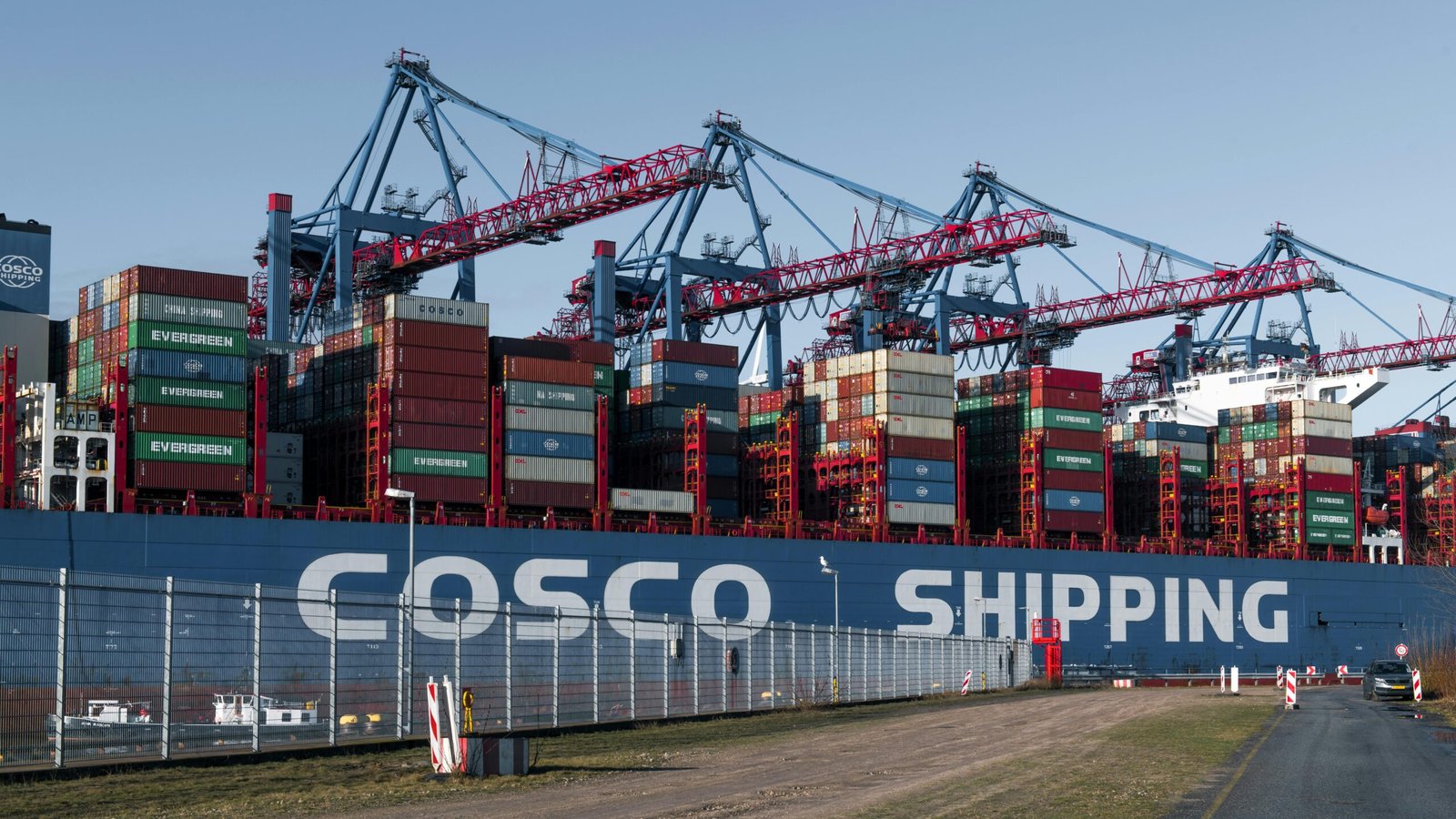
In an increasingly interconnected global economy, the movement of goods, services, and information defines the efficiency of modern commerce. Behind this complex system stands a critical professional role often associated with logistics and supply chain management. The term logisths may appear uncommon or derived from historical or linguistic roots, yet it connects conceptually to the broader field of logistics and operational coordination. Understanding logisths requires exploring its meaning, historical background, professional relevance, and the skills required in contemporary supply chain environments. In this comprehensive guide, we examine the significance of logisths and its connection to logistics professionals who ensure seamless distribution systems worldwide.
What Does Logisths Mean?
The word logisths appears to stem from linguistic variations related to logic, calculation, and organization. In classical contexts, similar roots were associated with individuals responsible for calculation, record-keeping, and structured planning. Over time, these foundational responsibilities evolved into what we recognize today as logistics management.
In modern interpretation, logisths can conceptually represent professionals involved in planning, coordinating, and optimizing the movement of goods and resources. Although the exact spelling may not commonly appear in contemporary dictionaries, its conceptual association aligns closely with logistics expertise and analytical coordination roles.
The Origins and Historical Context of Logisths
Historically, logistical planning dates back to ancient civilizations where administrators calculated supplies for military campaigns, trade expeditions, and infrastructure projects. The roots of words connected to logic and structured reasoning influenced the terminology that later shaped logistics.
The evolution of commerce required structured distribution networks. As trade routes expanded, professionals responsible for calculating demand, managing inventories, and coordinating transportation became increasingly vital. These early roles reflect the conceptual foundation of logisths—individuals responsible for structured operational oversight.
The Role of Logisths in Modern Supply Chain Management
In today’s business environment, the responsibilities associated with logisths extend across various dimensions of supply chain management. Professionals in this domain oversee procurement, transportation, warehousing, distribution, and demand forecasting.
Effective supply chain coordination requires balancing efficiency, cost management, and timely delivery. Logisths contribute to strategic planning by analyzing data trends, optimizing transportation routes, and ensuring compliance with regulatory standards. Their role bridges operational execution with strategic decision-making, enhancing overall business performance.
Core Responsibilities in Logistics Operations
Modern logistics professionals perform a range of responsibilities that reflect the conceptual duties of logisths:
-
Inventory Management: Monitoring stock levels to prevent shortages or overstock situations.
-
Transportation Coordination: Organizing freight movement through land, sea, or air routes.
-
Demand Forecasting: Predicting consumer demand to align production schedules.
-
Cost Optimization: Identifying opportunities to reduce operational expenses.
-
Supplier Communication: Maintaining partnerships to ensure supply continuity.
Each of these tasks requires analytical precision and strategic foresight, reinforcing the intellectual foundation implied by the term logisths.
Essential Skills Required for Logisths
Analytical Thinking
Data-driven decision-making is central to logistics management. Professionals must interpret performance metrics, shipping data, and financial reports to optimize operations.
Organizational Expertise
Coordinating multiple moving components demands structured planning and attention to detail.
Communication Skills
Collaboration across departments, suppliers, and customers ensures smooth operations.
Technological Proficiency
Modern logistics relies heavily on enterprise resource planning systems, tracking software, and automation tools.
Problem-Solving Abilities
Unexpected disruptions such as weather delays or supply shortages require rapid, effective solutions.
Logisths and Global Trade
Globalization has significantly expanded the complexity of supply chains. International trade agreements, cross-border regulations, and fluctuating economic conditions require adaptable logistics strategies. Logisths contribute to global commerce by ensuring compliance, reducing transit times, and maintaining cost efficiency.
The rise of e-commerce has further intensified demand for sophisticated logistics solutions. Rapid delivery expectations require streamlined warehousing systems and optimized last-mile distribution networks.
Technology and Innovation in Logistics
Technological advancement continues to reshape logistics operations. Artificial intelligence, automation, and predictive analytics enhance operational accuracy and efficiency. Data visualization tools allow professionals to monitor performance indicators in real time.
Warehouse robotics, autonomous vehicles, and digital tracking systems represent significant innovations that influence the role of logisths. Mastery of these technologies strengthens operational competitiveness in fast-paced markets.
Challenges in Modern Logistics
Despite technological progress, logistics management faces ongoing challenges:
-
Supply Chain Disruptions: Global events can interrupt production and shipping routes.
-
Rising Transportation Costs: Fuel prices and infrastructure limitations impact budgets.
-
Regulatory Compliance: Adhering to international trade laws requires careful oversight.
-
Environmental Sustainability: Businesses increasingly prioritize eco-friendly practices.
Addressing these challenges requires strategic foresight and continuous improvement initiatives.
Career Opportunities in Logistics
The logistics industry offers diverse career paths, including supply chain analyst, transportation coordinator, warehouse manager, procurement specialist, and operations director. Professionals with strong analytical and managerial skills often advance into leadership roles overseeing complex distribution networks.
Educational backgrounds in business administration, supply chain management, or industrial engineering provide strong foundations for entering this field. Certifications further enhance professional credibility.
The Future of Logisths in a Digital Economy
As commerce continues to evolve digitally, logistics operations must adapt to new consumer expectations and technological capabilities. Real-time tracking, automated inventory systems, and predictive demand models will increasingly define operational success.
The conceptual framework of logisths—structured reasoning combined with operational oversight—remains relevant in guiding these transformations. Professionals who integrate analytical precision with technological adaptability will shape the future of supply chain management.
Conclusion
Logisths, as a concept rooted in logic and structured coordination, aligns closely with the responsibilities of modern logistics professionals. From historical administrative roles to advanced digital supply chain systems, the underlying principles of calculation, organization, and strategic planning remain central. In a globalized economy driven by rapid delivery expectations and technological innovation, the expertise associated with logisths ensures efficiency, resilience, and competitive advantage. Understanding this role highlights the critical importance of logistics management in sustaining modern commerce.
Frequently Asked Questions (FAQ)
What does logisths mean?
Logisths conceptually refers to individuals involved in structured planning, calculation, and logistics-related responsibilities.
Is logisths the same as logistics?
While not identical in spelling, the term is conceptually related to logistics and supply chain coordination.
What skills are required for logisths roles?
Analytical thinking, organization, communication, and technological proficiency are essential skills.
Why are logistics professionals important?
They ensure efficient movement of goods, cost control, and operational continuity in businesses.
What industries rely on logistics expertise?
Retail, manufacturing, healthcare, e-commerce, and global trade sectors depend heavily on logistics management.




Leave a Reply