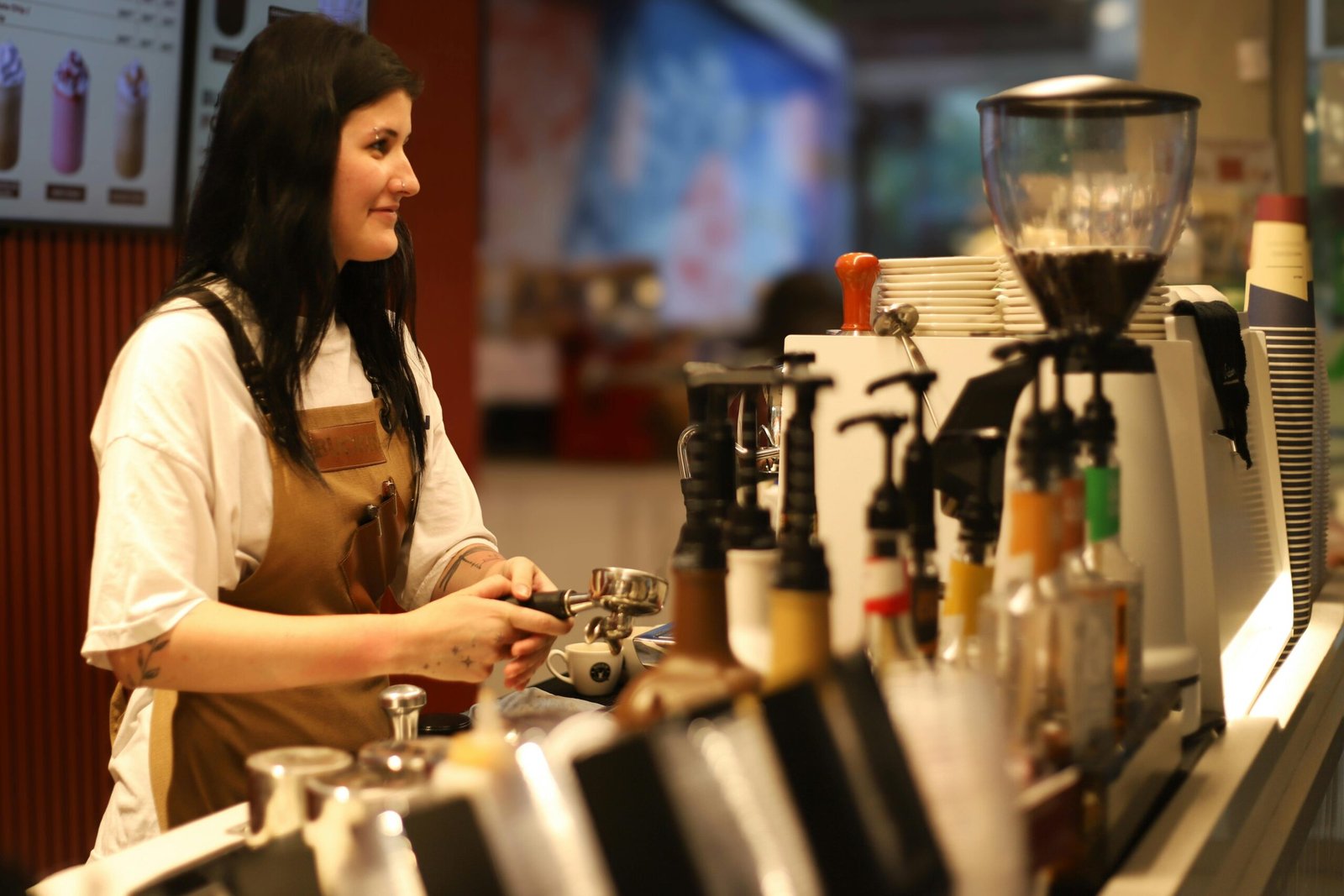
Coffee in shop culture hCoffee in Shopas transformed into a global phenomenon where quality beverages meet comfort, creativity, and community. Modern coffee shops are no longer just places to grab a quick drink—they are carefully designed environments offering premium coffee, personalized service, and memorable experiences. We explore the complete ecosystem of coffee in shop settings, from the types of drinks and brewing methods to customer expectations, pricing strategies, and emerging trends shaping the café industry.
Understanding Coffee in Shop Culture
The concept of coffee in shop environments is built around delivering a complete experience that engages all the senses. Customers are drawn not only by the taste of coffee but also by the ambiance, music, décor, and overall atmosphere. A well-crafted coffee shop becomes a destination where people work, socialize, relax, and even find inspiration.
The rise of specialty coffee has significantly elevated expectations. Customers now demand high-quality beans, precise brewing techniques, and customizable drinks, making the café experience more refined and personalized than ever before.
Popular Coffee Types Served in Shops
Espresso-Based Coffee Drinks
Espresso is the foundation of most coffee shop beverages, offering a strong and concentrated flavor. Popular options include:
- Latte: A smooth combination of espresso and steamed milk with a creamy texture
- Cappuccino: Balanced layers of espresso, milk, and foam for a rich taste
- Americano: A lighter drink created by adding hot water to espresso
- Flat White: Velvety microfoam with a bold coffee flavor
Brewed Coffee Options
Traditional brewing methods continue to play a vital role in coffee in shop menus:
- Drip Coffee: Consistent and widely preferred
- Pour-Over Coffee: Crafted manually for enhanced flavor control
- French Press: Full-bodied and aromatic
Specialty and Signature Drinks
Modern cafés often innovate with creative beverages:
- Cold Brew Coffee: Smooth and less acidic
- Iced Lattes: Refreshing and customizable
- Flavored Coffees: Vanilla, caramel, hazelnut, and seasonal blends
The Coffee Shop Brewing Process
Creating the perfect coffee in shop experience involves multiple precise steps:
Bean Selection
High-quality coffee begins with sourcing premium beans based on origin, roast level, and flavor notes. Specialty shops often highlight single-origin beans for unique taste profiles.
Grinding
Fresh grinding is essential for optimal extraction. The grind size is adjusted depending on the brewing method, ensuring consistency and flavor balance.
Brewing Techniques
Baristas use advanced equipment such as espresso machines and manual brewing tools to craft each cup with precision.
Serving and Presentation
Presentation enhances the experience, with latte art and stylish cups adding visual appeal to the drink.
Coffee Shop Menu Trends
The modern coffee shop industry is constantly evolving, driven by changing consumer preferences:
- Plant-Based Milk Alternatives: Oat, almond, and soy milk options
- Health-Conscious Drinks: Low-calorie and sugar-free beverages
- Cold Coffee Innovations: Nitro coffee and iced brews
- Global Inspirations: Drinks influenced by international coffee cultures
These trends reflect a growing demand for diversity, customization, and sustainability in coffee consumption.
Pricing Strategy in Coffee Shops
The pricing of coffee in shop environments depends on several important factors:
- Location and Rent Costs: Urban cafés typically charge higher prices
- Quality of Ingredients: Premium beans and organic products increase costs
- Brand Value: Established cafés command higher prices
- Preparation Time: Complex drinks require skilled labor
Understanding these factors helps customers appreciate the value behind each cup.
Customer Experience in Coffee Shops
A successful coffee shop experience goes beyond the beverage itself:
Ambiance and Interior Design
Comfortable seating, lighting, and décor create an inviting environment.
Customer Service
Friendly and knowledgeable baristas enhance satisfaction and build loyalty.
Consistency
Delivering the same high-quality coffee every time is crucial for success.
Technology Integration
Many shops now offer mobile ordering, digital payments, and loyalty programs.
Benefits of Drinking Coffee in a Shop
Choosing coffee in shop settings offers several advantages:
- Access to professionally brewed beverages
- Opportunity to explore unique flavors and recipes
- Social interaction and networking opportunities
- A productive workspace for students and professionals
These benefits make coffee shops an essential part of modern urban life.
Challenges in the Coffee Shop Industry
Despite its growth, the coffee shop business faces several challenges:
- Rising costs of coffee beans and supplies
- Increasing competition in urban markets
- Maintaining consistent quality and service
- Adapting to evolving customer preferences
Overcoming these challenges requires innovation, quality control, and strong branding.
Tips for Choosing the Best Coffee Shop
To enjoy the best coffee in shop experience, consider:
- Quality and freshness of coffee
- Variety and creativity in the menu
- Cleanliness and atmosphere
- Customer reviews and recommendations
Selecting the right café ensures a satisfying and memorable experience.
Conclusion
Coffee in shop culture represents a perfect blend of craftsmanship, innovation, and social connection. From expertly brewed beverages to thoughtfully designed spaces, coffee shops provide an experience that goes far beyond a simple drink. By understanding the elements that define quality coffee, menu trends, and customer expectations, we can fully appreciate the evolving world of café culture and make informed choices that enhance our daily coffee experience.
Frequently Asked Questions (FAQ)
What is the most popular coffee in shops?
Espresso-based drinks such as lattes and cappuccinos are the most popular choices.
Why is coffee more expensive in shops?
Prices reflect ingredient quality, preparation skills, and the overall café experience.
Can coffee shop drinks be customized?
Yes, most coffee shops offer customization options including milk type, flavors, and sweetness levels.
What is the difference between cold brew and iced coffee?
Cold brew is steeped for hours in cold water, while iced coffee is brewed hot and then cooled.
How do coffee shops maintain quality?
They use premium beans, precise brewing methods, and trained baristas to ensure consistency.


Leave a Reply