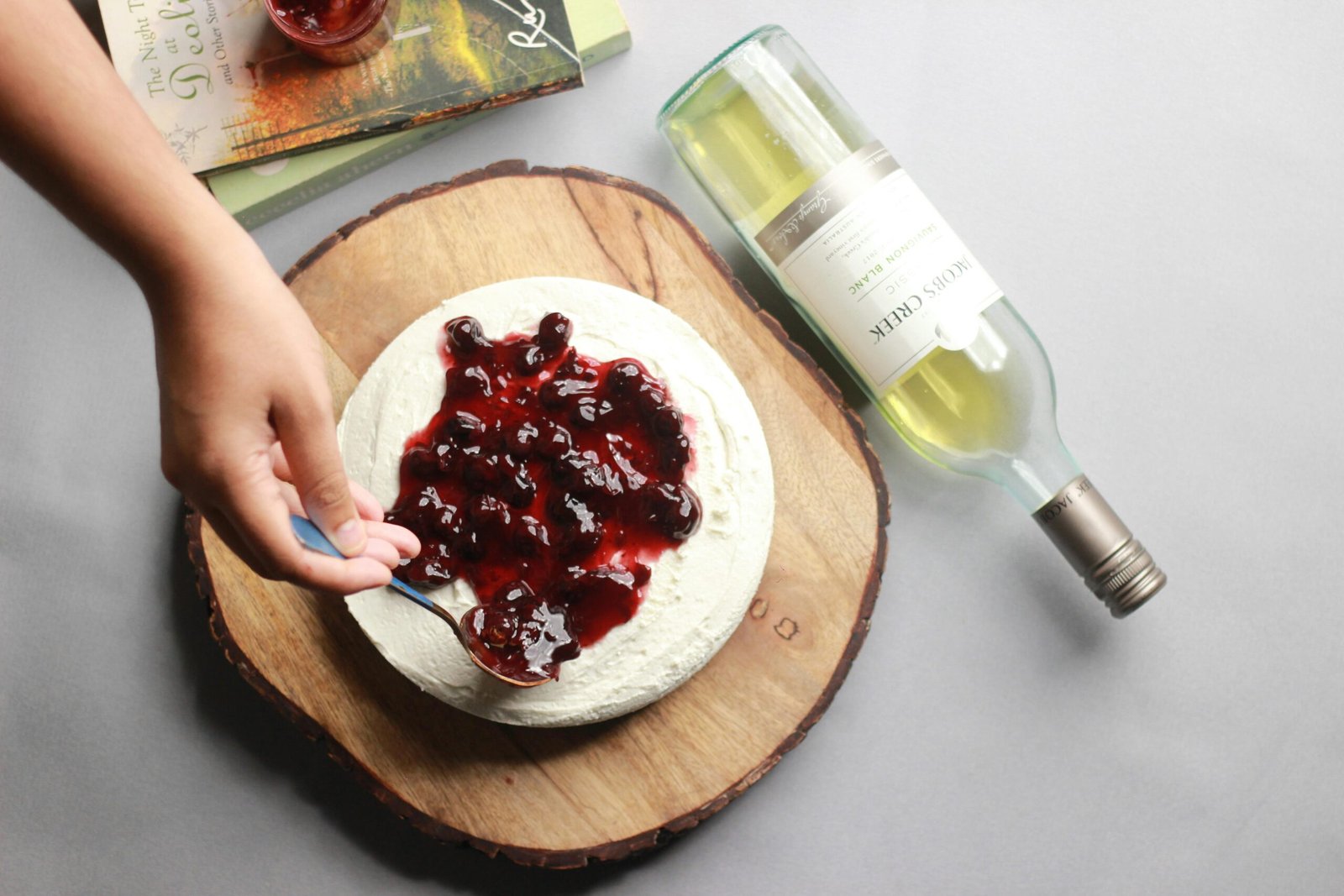
Dessert wine represents one of the most indulgent and expressive categories in the world of wine, celebrated for its rich sweetness, complex aromas, and luxurious textures. From honeyed golden elixirs to deeply concentrated late-harvest selections, dessert wines offer a remarkable range of styles that can elevate any dining experience. Whether served alongside decadent desserts, paired with cheese, or enjoyed on their own, these wines provide a sensory journey defined by balance, sweetness, and depth. In this comprehensive guide, we explore the types of dessert wine, how they are made, flavor profiles, pairing strategies, and expert tasting tips, ensuring a complete understanding of this elegant category.
What is Dessert Wine?
Dessert wine refers to any wine that is intentionally sweet and typically served at the end of a meal. Unlike dry wines, dessert wines contain higher levels of residual sugar, which gives them their signature sweetness and fuller body.
The sweetness in dessert wine can be achieved through various methods, including late harvesting of grapes, natural dehydration, or halting fermentation early. These techniques concentrate sugars and enhance flavor intensity.
Types of Dessert Wines
1. Late Harvest Wines
Late harvest wines are made from grapes that are left on the vine longer than usual, allowing sugars to concentrate naturally. These wines often exhibit honeyed, fruity, and floral notes.
2. Noble Rot Wines
Certain dessert wines are produced using grapes affected by Botrytis cinerea, also known as noble rot. This process enhances sweetness and creates complex flavors such as apricot, honey, and spice.
3. Ice Wine
Ice wine is made from grapes that freeze naturally on the vine, resulting in highly concentrated juice with intense sweetness and acidity.
4. Fortified Dessert Wines
These wines have added spirits, which stop fermentation and preserve natural sugars. Examples include port and sherry-style dessert wines.
5. Dried Grape Wines
Grapes are dried before fermentation, either on the vine or after harvesting, producing wines with rich, raisin-like flavors.
How Dessert Wine is Made
The production of dessert wine involves specialized techniques that enhance sweetness and flavor concentration.
Late Harvesting
Allowing grapes to ripen longer increases sugar content and flavor complexity.
Drying Techniques
Grapes may be dried to remove water, intensifying natural sugars and aromas.
Fermentation Control
Winemakers may stop fermentation early to retain residual sugar, resulting in a sweeter wine.
Fortification
Adding alcohol halts fermentation and boosts both strength and sweetness.
These methods contribute to the diverse styles and flavor profiles found in dessert wines.
Flavor Profiles of Dessert Wines
Dessert wines are known for their rich and layered flavors, which can include:
- Fruity notes such as peach, apricot, and citrus
- Honey and caramel tones
- Spicy and nutty undertones
- Floral aromas
The balance between sweetness and acidity is crucial, ensuring the wine remains refreshing rather than overly sugary.
Dessert Wine Pairings
Pairing dessert wine correctly enhances both the wine and the food.
With Desserts
Match the wine’s sweetness level with the dessert. For example, a rich chocolate dessert pairs well with intense, full-bodied sweet wines.
With Cheese
Dessert wines pair beautifully with cheeses, especially blue cheese and aged varieties, creating a balance of sweet and savory flavors.
With Fruits
Fresh fruits complement lighter dessert wines, enhancing their natural sweetness and acidity.
Standalone Enjoyment
Many dessert wines are complex enough to be enjoyed on their own as a finishing drink.
Serving and Tasting Tips
To fully appreciate dessert wine, proper serving is essential.
- Serve slightly chilled to enhance flavors
- Use smaller glasses to concentrate aromas
- Sip slowly to enjoy the complexity and texture
- Pair thoughtfully for a balanced experience
Benefits of Dessert Wine
- Provides a luxurious and satisfying end to meals
- Offers a wide range of flavor experiences
- Pairs well with various foods
- Ideal for special occasions and celebrations
Common Misconceptions
Many believe dessert wines are overly sweet or limited in use, but in reality:
- They offer balanced sweetness with acidity
- Can be paired beyond desserts, including savory dishes
- Come in diverse styles and intensities
Why Dessert Wine is So Popular
The popularity of dessert wine lies in its rich taste, versatility, and elegance. It appeals to both casual drinkers and connoisseurs, offering something unique compared to standard wines.
Future Trends in Dessert Wine
As consumer preferences evolve, dessert wines are gaining renewed interest. Trends include:
- Increased focus on artisan production
- Growing demand for natural and organic wines
- Innovation in flavor profiles and pairing experiences
Conclusion
Dessert wine stands as a testament to the artistry and craftsmanship of winemaking, offering rich flavors, diverse styles, and unmatched elegance. From late harvest selections to fortified varieties, each type provides a unique experience that enhances meals and celebrations. Understanding the different styles, production methods, and pairing techniques allows you to fully appreciate the depth and beauty of dessert wines. Whether you are a beginner or an experienced enthusiast, exploring this category opens the door to a world of sweet sophistication and refined taste.
Frequently Asked Questions (FAQ)
1. What makes a wine a dessert wine?
A dessert wine contains higher residual sugar, making it sweet and suitable for after meals.
2. Are dessert wines always very sweet?
They are sweet but often balanced with acidity to prevent excessive sweetness.
3. Can dessert wine be paired with savory foods?
Yes, especially with cheese and certain rich dishes.
4. How should dessert wine be served?
Serve slightly chilled in small glasses for the best experience.
5. What are the most popular types of dessert wine?
Late harvest, ice wine, fortified wines, and noble rot wines are among the most popular.





Leave a Reply