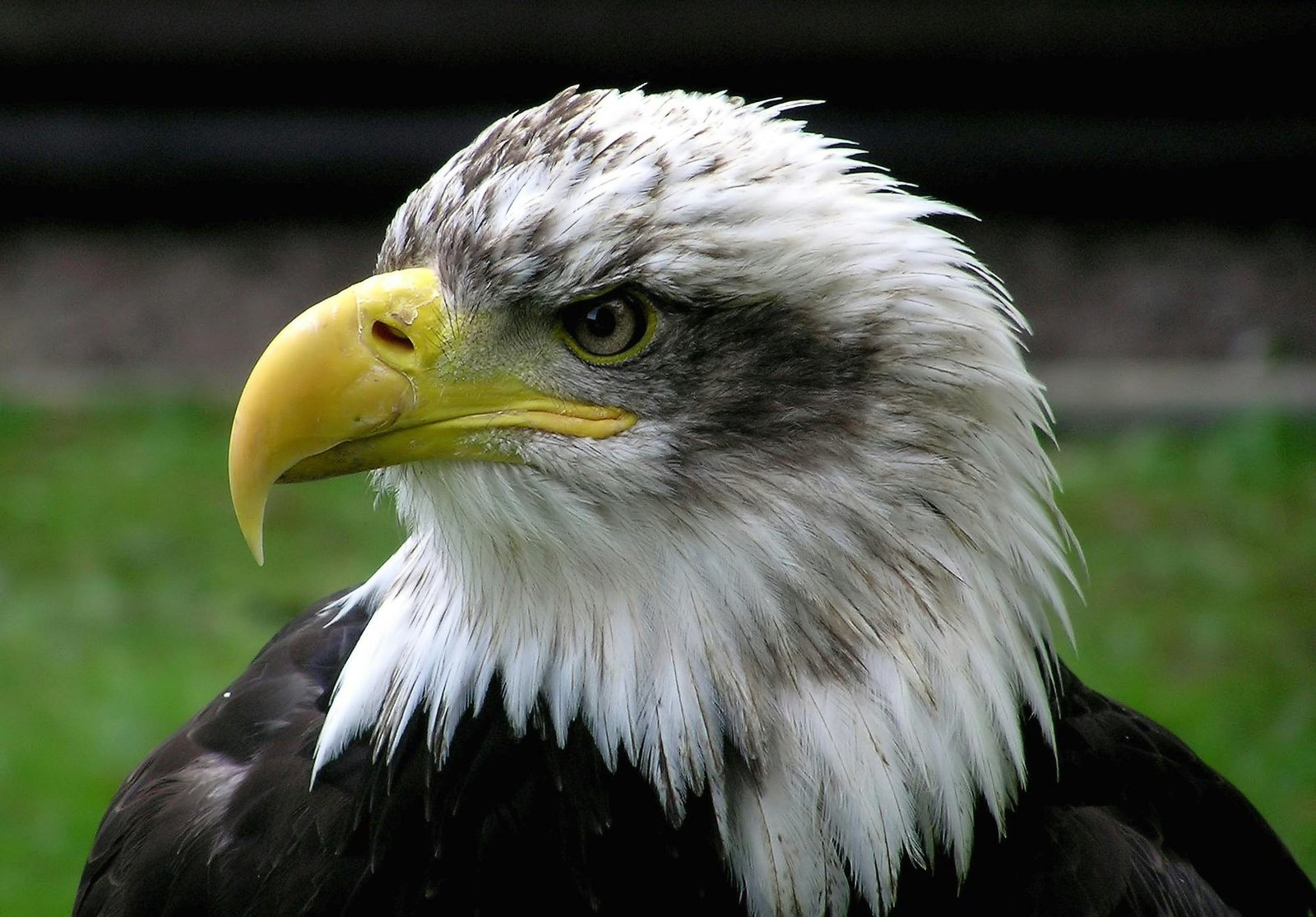
The Steller’s sea eagle (Haliaeetus pelagicus) is one of the largest and most powerful eagles in the world, often described as a true giant of the skies. Native to the coastal regions of northeastern Asia, primarily Russia and Japan, this species commands attention with its immense wingspan, striking plumage, and predatory prowess. As one of the most iconic birds of prey, the Steller’s sea eagle plays a critical role in its ecosystem, influencing both prey populations and the health of the coastal environment. Beyond its ecological importance, it has fascinated ornithologists, wildlife photographers, and bird watchers due to its magnificent appearance and impressive hunting abilities. Understanding this extraordinary species involves exploring its physical characteristics, behavior, diet, habitat, and the conservation efforts necessary to ensure its survival in the wild.
Physical Characteristics: Nature’s Powerhouse
The Steller’s sea eagle is renowned for its imposing size, ranking among the heaviest and largest eagles on the planet. Adult males typically weigh between 4.9 to 6.8 kilograms (11–15 pounds), while females, which are larger, can reach up to 9 kilograms (20 pounds). Its wingspan ranges from 1.95 to 2.5 meters (6.4–8.2 feet), giving it an impressive aerial presence unmatched by most birds of prey.
Its plumage is a combination of dark brown or black feathers and stark white accents on the shoulders, tail, and thighs, creating a striking contrast in flight. One of the most distinctive features is its massive, bright yellow beak, which can exert tremendous force for hunting fish and other prey. Powerful talons, muscular legs, and keen eyesight make the Steller’s sea eagle a formidable predator in its environment.
Diet and Hunting Behavior
As a raptor primarily associated with coastal and riverine ecosystems, the Steller’s sea eagle feeds mainly on fish, particularly salmon and trout, but its diet can also include waterfowl, small mammals, and carrion. This eagle employs ambush hunting techniques, often perching near water bodies to scan for prey before swooping down with precision.
During winter months, these eagles may gather in areas rich in fish or near human settlements where fishing activities provide additional food sources. Steller’s sea eagles are also opportunistic hunters, and their adaptability in feeding behavior contributes to their survival in harsh environments.
Habitat and Geographic Range
The primary habitat of the Steller’s sea eagle includes the coastal cliffs, river mouths, and forests of the Russian Far East, particularly along the Sea of Okhotsk and the Kamchatka Peninsula. Small populations also migrate to northern Japan during winter.
These eagles prefer regions with abundant food supply, open water, and tall trees or cliffs for nesting. Nesting typically occurs in large trees or rocky cliffs near rivers or lakes, where they construct massive stick nests that can be reused and expanded year after year. Their territorial behavior ensures adequate space and access to prey for successful reproduction.
Reproduction and Lifespan
Steller’s sea eagles reach sexual maturity at approximately five years of age, with mating pairs often forming long-term bonds. The female lays one to three eggs per breeding season, with both parents participating in incubation and feeding the chicks.
Chicks fledge after about 10–12 weeks, gradually learning to hunt and survive independently. In the wild, Steller’s sea eagles have a lifespan of up to 20–25 years, with some reaching even older ages under ideal conditions. Their slow reproductive rate and large territorial needs make them particularly vulnerable to environmental changes and human disturbances.
Conservation Status and Threats
The Steller’s sea eagle is currently listed as Vulnerable on the IUCN Red List, with an estimated 5,000 to 6,000 individuals remaining in the wild. Major threats include:
-
Habitat loss and deforestation, reducing nesting and hunting areas
-
Pollution and overfishing, which diminish food availability
-
Human disturbance and illegal hunting, affecting reproduction and survival
Conservation programs in Russia and Japan aim to protect habitats, monitor populations, and educate local communities on the importance of preserving these eagles. Wildlife organizations also support ecotourism initiatives, which help fund protection efforts while raising global awareness of the species’ plight.
Importance to Ecosystems and Culture
As apex predators, Steller’s sea eagles play a crucial role in maintaining balanced ecosystems, controlling fish and waterfowl populations. Their presence indicates a healthy coastal environment, and their behavior provides valuable insights for ecological research.
Culturally, these eagles are revered in some local traditions for their majesty, strength, and hunting prowess, symbolizing courage and resilience. Their striking appearance also makes them popular subjects for wildlife photography and educational programs, enhancing appreciation for nature conservation.
Where to See Steller’s Sea Eagles in the Wild
For wildlife enthusiasts, the best opportunities to observe Steller’s sea eagles include:
-
Russia’s Kamchatka Peninsula, particularly along rivers with abundant salmon
-
Hokkaido, Japan, where wintering populations gather near open water
-
Guided eco-tours and wildlife cruises, offering safe and responsible observation
Visitors are encouraged to maintain a respectful distance to avoid disturbing the birds while enjoying their majestic hunting and flight displays.
Conclusion: Preserving a Giant of the Northern Skies
The Steller’s sea eagle remains one of the most impressive birds of prey on Earth, symbolizing strength, adaptability, and ecological importance. Protecting this species requires continued efforts in habitat conservation, sustainable fisheries, and community awareness. By supporting conservation programs and promoting responsible wildlife observation, we can ensure that future generations witness the awe-inspiring presence of these magnificent eagles soaring over the coasts of the Russian Far East and northern Japan.
Frequently Asked Questions (FAQ)
What is a Steller’s sea eagle?
It is one of the largest eagles in the world, known for its massive size, striking plumage, and predatory skills.
Where can Steller’s sea eagles be found?
Primarily in the Russian Far East, with winter populations migrating to northern Japan, especially Hokkaido.
What do Steller’s sea eagles eat?
They mainly feed on fish such as salmon and trout, but also hunt waterfowl and small mammals.
Are Steller’s sea eagles endangered?
Yes, they are listed as Vulnerable, with habitat loss, pollution, and human disturbance posing significant threats.
How long do Steller’s sea eagles live?
In the wild, they can live up to 20–25 years, with slow reproductive rates requiring careful conservation management.
Leave a Reply