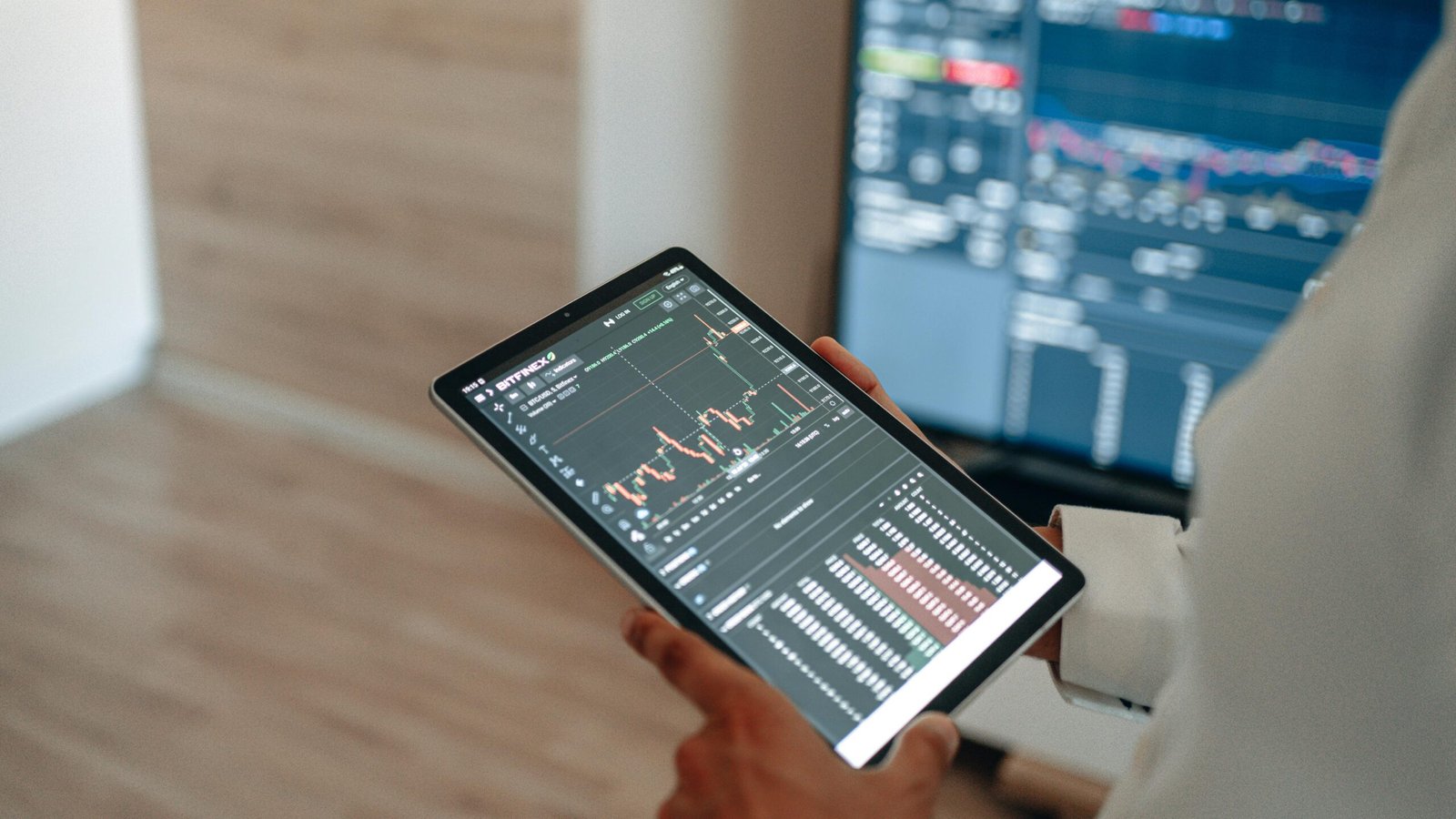
In an increasingly connected and data-driven world, the ability to collect, transmit, and analyze information remotely has become a cornerstone of modern technology. The term telemetryczny, derived from the concept of telemetry, refers to systems and technologies that enable remote measurement and data transmission. From industrial automation and healthcare monitoring to environmental analysis and smart infrastructure, telemetryczny solutions play a critical role in optimizing performance, enhancing safety, and enabling intelligent decision-making.
Telemetryczny systems are no longer confined to specialized industrial environments. They have evolved into versatile platforms that support real-time data collection, predictive analytics, and automated responses across diverse sectors. This comprehensive guide explores the meaning of telemetryczny, its key components, features, applications, benefits, and future innovations. By understanding telemetryczny technology, businesses and professionals can harness its potential to improve operational efficiency, reduce costs, and support sustainable growth.
Understanding Telemetryczny and Its Core Concept
The term telemetryczny relates to telemetry-based systems designed to measure data at remote or inaccessible locations and transmit that data to centralized systems for analysis. Telemetry combines sensors, communication networks, and software platforms to provide actionable insights in real time. These systems eliminate the need for constant manual monitoring and allow automated tracking of variables such as temperature, pressure, motion, energy consumption, and environmental conditions.
At its core, telemetryczny technology consists of three primary components: data collection devices (sensors), communication infrastructure (wired or wireless networks), and data processing platforms. Together, these elements create a seamless flow of information from remote locations to decision-makers. This integration enhances visibility, improves response times, and supports data-driven strategies in both public and private sectors.
Key Features of Telemetryczny Systems
1. Real-Time Data Monitoring
One of the defining characteristics of telemetryczny solutions is their ability to provide real-time monitoring. Continuous data transmission ensures immediate awareness of system performance and environmental changes. This feature is particularly valuable in industries where delays in detection can result in financial loss or safety risks.
2. Remote Accessibility
Telemetryczny systems allow users to access data from virtually any location through cloud platforms or centralized dashboards. Remote accessibility reduces the need for on-site inspections, minimizes travel costs, and increases operational flexibility.
3. Automated Alerts and Notifications
Advanced telemetryczny technology includes automated alert systems that notify operators when predefined thresholds are exceeded. These alerts enable proactive intervention, preventing equipment failure, safety incidents, or operational disruptions.
4. Data Analytics and Reporting
Beyond data collection, telemetryczny systems incorporate analytical tools that transform raw information into actionable insights. Businesses can generate reports, identify trends, forecast outcomes, and optimize resource allocation through integrated analytics.
5. Scalability and Integration
Modern telemetryczny platforms are scalable, supporting small deployments and large-scale enterprise operations. Integration with IoT devices, enterprise resource planning systems, and cloud infrastructure enhances functionality and ensures compatibility with existing technology ecosystems.
Applications of Telemetryczny Technology
Telemetryczny solutions have wide-ranging applications across various industries:
Industrial Automation
Factories and manufacturing plants rely on telemetryczny systems to monitor machinery performance, detect anomalies, and optimize production processes. Real-time monitoring improves efficiency, reduces downtime, and extends equipment lifespan.
Energy and Utilities
Energy providers use telemetryczny technology to track electricity consumption, monitor grid performance, and manage renewable energy resources. Smart meters and remote sensors provide accurate usage data and enable efficient energy distribution.
Healthcare Monitoring
In healthcare, telemetryczny systems support remote patient monitoring by tracking vital signs and transmitting data to medical professionals. This technology enhances patient care, particularly in remote or underserved areas.
Environmental Monitoring
Governments and environmental agencies use telemetryczny systems to monitor air quality, water levels, and weather conditions. Real-time environmental data supports disaster preparedness and sustainable resource management.
Transportation and Logistics
Fleet management systems integrate telemetryczny devices to monitor vehicle location, fuel consumption, and driver behavior. This improves route optimization, safety, and cost efficiency.
Benefits of Implementing Telemetryczny Systems
The adoption of telemetryczny technology offers numerous advantages:
-
Improved Operational Efficiency: Continuous monitoring reduces manual processes and enhances workflow automation.
-
Cost Reduction: Early detection of issues prevents costly repairs and operational downtime.
-
Enhanced Safety: Real-time alerts help mitigate risks and ensure compliance with safety standards.
-
Data-Driven Decision-Making: Analytics tools transform raw data into actionable insights for strategic planning.
-
Scalability: Flexible systems accommodate growing data volumes and expanding operations.
These benefits position telemetryczny systems as essential tools in modern infrastructure and enterprise management.
Best Practices for Telemetryczny Implementation
To maximize the value of telemetryczny technology, organizations should follow structured implementation strategies:
-
Define Objectives Clearly: Identify specific goals such as cost reduction, efficiency improvement, or compliance monitoring.
-
Select Appropriate Sensors: Choose devices compatible with environmental conditions and data requirements.
-
Ensure Secure Data Transmission: Implement encryption and secure communication protocols.
-
Integrate with Existing Systems: Seamless integration enhances efficiency and avoids data silos.
-
Regular Maintenance and Calibration: Periodic system checks ensure data accuracy and reliability.
By adhering to these practices, organizations can achieve optimal performance and long-term sustainability.
Future Innovations in Telemetryczny Technology
The future of telemetryczny systems lies in advanced analytics, artificial intelligence, and IoT integration. Emerging developments include:
-
AI-powered predictive maintenance
-
Enhanced cloud-based telemetry platforms
-
Edge computing for faster data processing
-
Integration with smart city infrastructure
-
Increased energy efficiency and sustainability solutions
As digital transformation accelerates, telemetryczny technology will continue to evolve, offering smarter, faster, and more secure monitoring capabilities across industries.
Conclusion
Telemetryczny systems represent a transformative approach to monitoring, data collection, and real-time analysis. By combining sensors, communication networks, and analytical tools, telemetryczny technology empowers organizations to improve efficiency, enhance safety, and make informed decisions. From industrial automation and healthcare to environmental monitoring and transportation, its applications are vast and impactful.
Adopting telemetryczny solutions enables businesses and institutions to remain competitive in a data-driven world. With scalable infrastructure, advanced analytics, and ongoing technological advancements, telemetryczny systems provide a foundation for innovation, sustainability, and long-term operational excellence.
Frequently Asked Questions (FAQ)
What does telemetryczny mean?
Telemetryczny refers to telemetry-based systems that enable remote measurement, data transmission, and real-time monitoring.
Where are telemetryczny systems used?
They are widely used in industrial automation, healthcare, energy management, environmental monitoring, and transportation.
What are the key features of telemetryczny technology?
Key features include real-time monitoring, remote access, automated alerts, data analytics, scalability, and secure communication.
How does telemetryczny improve efficiency?
By automating data collection and providing real-time insights, telemetryczny systems reduce manual tasks and prevent operational disruptions.
What is the future of telemetryczny technology?
Future developments include AI-driven predictive analytics, edge computing, enhanced IoT integration, and sustainable smart infrastructure solutions.
Leave a Reply