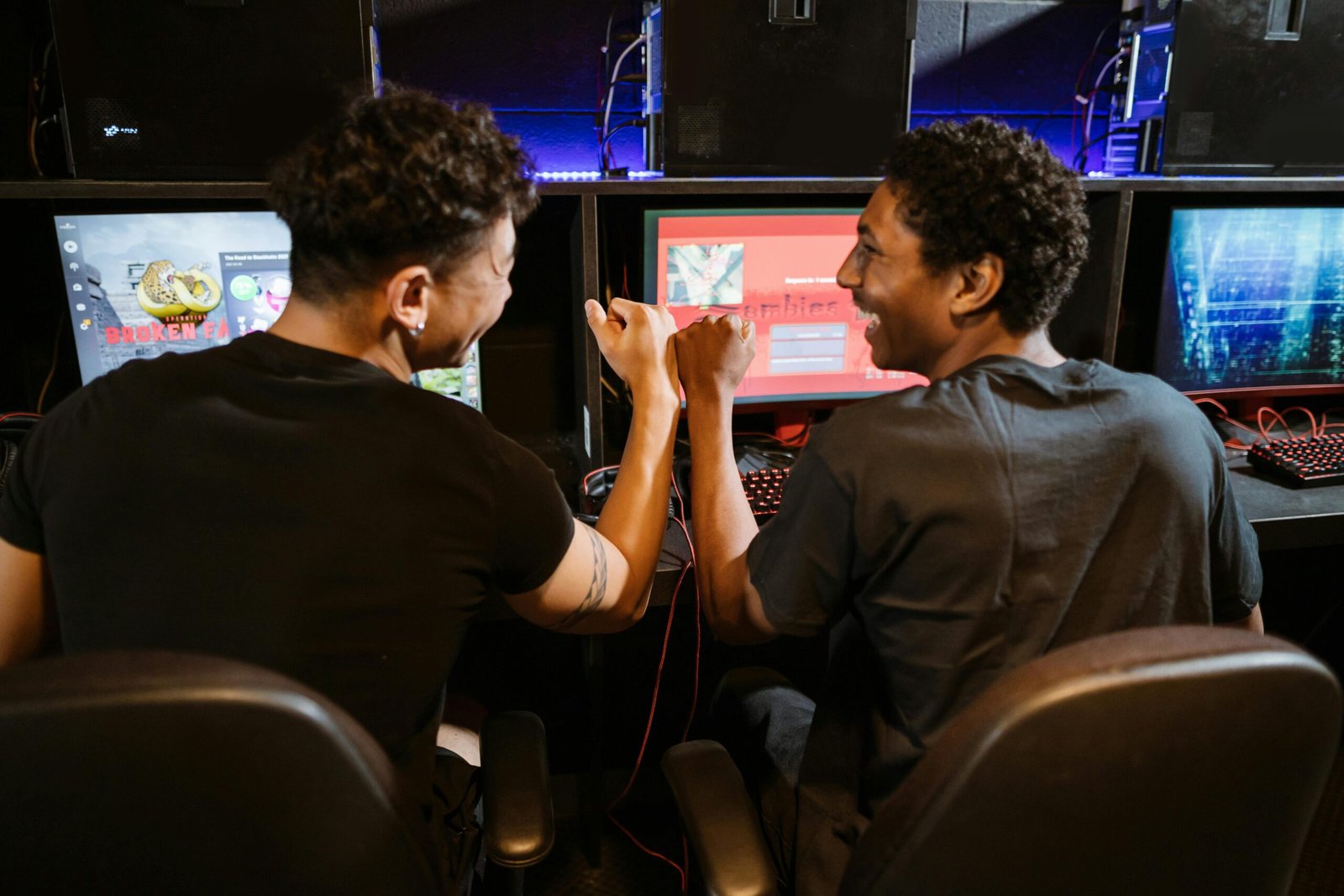
Competitive gaming has evolved from casual online play into a structured digital ecosystem defined by teams, strategy, and community engagement. Within this environment, teamt1er has emerged as a term associated with organized teamwork, competitive ambition, and a growing digital presence. As players and audiences increasingly seek structured teams that reflect professionalism and shared goals, understanding what teamt1er represents becomes essential. In this article, we explore the identity, strategic foundations, community role, and future relevance of teamt1er in the modern gaming and esports landscape.
Understanding the Concept of Teamt1er
At its core, teamt1er represents more than a simple team name; it reflects a mindset built around collaboration, performance, and consistency. In competitive gaming, teams succeed not only through individual skill but through coordination, communication, and shared objectives. Teamt1er aligns with these principles by emphasizing structured play and unified direction. This identity helps distinguish it from loosely organized groups and positions it within a more professional competitive framework.
Teamt1er and Competitive Gaming Culture
Competitive gaming culture values discipline, preparation, and adaptability. Teamt1er reflects these values by focusing on team-based performance rather than isolated achievements. By prioritizing strategic planning and coordinated execution, the team model encourages players to develop roles and responsibilities that contribute to overall success. This approach mirrors broader esports trends, where teamwork and preparation consistently outperform raw individual talent.
Strategic Approach and Performance Mindset
A defining aspect of teamt1er is its strategic orientation. Successful teams rely on analysis, practice routines, and performance reviews to refine gameplay. Teamt1er’s framework emphasizes continuous improvement through structured evaluation and adaptation. This mindset supports long-term growth and competitive resilience, allowing teams to remain effective even as game mechanics and competitive environments evolve.
Community Engagement and Digital Presence
Modern gaming teams are not isolated entities; they exist within active online communities. Teamt1er benefits from maintaining a visible and engaged digital presence that connects players, supporters, and observers. Community engagement strengthens loyalty, encourages knowledge sharing, and amplifies reach across platforms. By fostering interaction and transparency, teamt1er contributes to a sustainable community ecosystem that extends beyond gameplay alone.
The Role of Branding and Identity
Branding plays an increasingly important role in competitive gaming. Teamt1er functions as a recognizable identifier that communicates values, style, and ambition. A consistent identity helps teams attract collaborators, supporters, and opportunities within the gaming ecosystem. Through clear messaging and coherent representation, teamt1er reinforces credibility and builds recognition in a crowded digital space.
Adaptability in a Rapidly Changing Environment
The gaming and esports landscape changes rapidly, driven by new titles, updates, and competitive formats. Teamt1er demonstrates relevance by emphasizing adaptability and learning. Teams that adjust strategies, refine skills, and respond to evolving conditions maintain competitive viability. This adaptability aligns with long-term success and positions teamt1er as a forward-looking presence rather than a static entity.
Why Teamt1er Matters in Esports Discussions
As esports continues to gain mainstream recognition, organized teams serve as foundational building blocks. Teamt1er represents the type of structured participation that supports healthy competition and sustainable growth. Its emphasis on teamwork, strategy, and community mirrors the values that define successful esports organizations. This relevance makes teamt1er a meaningful reference point in discussions about competitive gaming development.
Future Potential of Teamt1er
Looking ahead, teamt1er holds potential for expansion through deeper community engagement, competitive participation, and strategic partnerships. As digital audiences grow and competitive gaming becomes more interconnected, teams that maintain clear identity and adaptability will continue to thrive. Teamt1er’s foundational principles align well with these conditions, supporting future relevance and growth.
Conclusion
Teamt1er reflects the evolving nature of competitive gaming, where teamwork, strategy, and community engagement define success. By emphasizing structured collaboration, adaptability, and identity, teamt1er positions itself within the modern esports and online gaming ecosystem as a credible and forward-thinking presence. As competitive gaming continues to expand, the principles represented by teamt1er will remain central to sustainable performance and long-term relevance.
Frequently Asked Questions (FAQ)
What is teamt1er?
Teamt1er refers to a competitive team identity associated with structured gameplay, teamwork, and strategic performance in online gaming environments.
Is teamt1er related to esports?
Yes, teamt1er aligns with esports principles such as coordination, preparation, and competitive consistency.
Why is teamwork important for teamt1er?
Team-based coordination enhances performance, adaptability, and long-term success in competitive gaming.
How does teamt1er build community engagement?
Through digital presence, interaction, and shared identity, teamt1er fosters community involvement and loyalty.
What makes teamt1er relevant in modern gaming?
Its focus on strategy, adaptability, and collaboration reflects the core values driving today’s competitive gaming ecosystem.




Leave a Reply